

How Weather Quietly Reshapes Private Jet Travel Plans
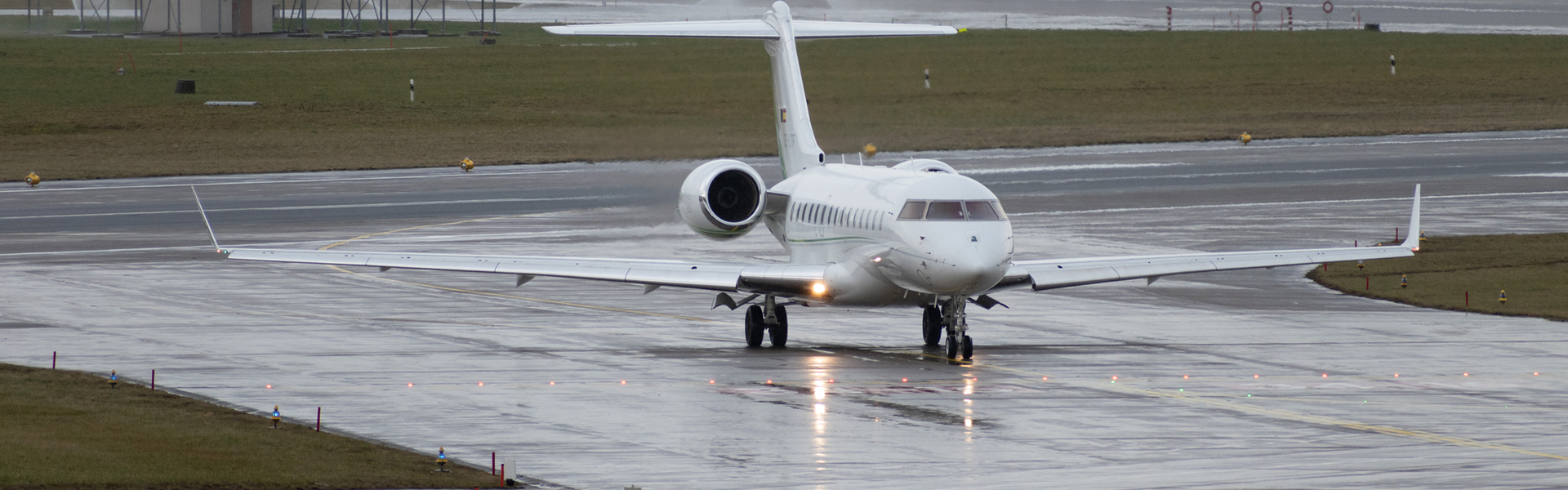
Considerable flexibility can be ensured with private jet travel . However, one passenger that never takes any instructions is the weather. A cautiously arranged journey unfolds smoothly when the skies are clear. However, fog, thunderstorms, strong winds, high temperatures, or winter conditions can quietly impact your plan.
Weather doesn’t always mean that a flight is canceled. Rather, in a majority of the cases, the influence appears in smaller adjustments. Such adjustments may include different departure times, revisited routes, alternate airports, additional fuel considerations, or even longer journeys.
When you understand such possibilities, you can approach private aviation more realistically. Besides, you can recognize why a cautiously planned itinerary sometimes need room to move.
Weather Has the Final Word
Passenger’s preferred departure time, destination, and schedule generally dictate a private flight arrangement. However, what remains out of anyone’s control is the atmospheric condition.
Flight crews and operational teams consider weather conditions along the planned route and around relevant airports before departure. You get only a part of the picture with conditions at the departure point. How the journey is conducted is also impacted by the weather along the route and at the destination as well.
Thus, an entirely straightforward flight ahead is not indicated by the blue skies you see at the departure terminal. Conditions hundreds of miles away may require adjustments, even before the aircraft leaves the ground.
Fog Can Complicate Airport Access
An ordinary airport morning can transform into a complicated puzzle, thanks to fog. Visibility reduces around runways and approaches with dense fog taking over. Aircraft operations tend to be restricted with a fall in visibility. This depends on airport facilities, aircraft capabilities, operational procedures, and even prevailing conditions as well. This can affect departure and arrival timing for a private traveler.
A destination airport temporarily becomes difficult to use with heavy fog settling in. Thus, in certain conditions, it’s better to wait for conditions to improve. However, in case there’s no way someone can wait, finding an alternative airport becomes a part of the operational plan.
The important part here is to understand that fog doesn’t have to cover entire route to create any kind of disruption. The wider itinerary is still impacted even if there is a relatively small area of poor visibility altogether.
Thunderstorms Can Reshape Routes
Both airports and airspace between these airports are affected by thunderstorms, making them particularly important. A flight may need to follow a different path, rather than traveling directly through significant storm activity of any kind.
With such deviations, flying time can increase and it can potentially change any kind of fuel requirements as well. Departure and arrival operations are also impacted due to a thunderstorm near an airport.
The result may be a journey that looks completely normal from the passenger cabin but follows a noticeably different route from the one originally anticipated. This illustrates an important reality of private flying: route flexibility does not mean weather can simply be ignored. Flexibility can instead provide additional options for responding to changing conditions.
Strong Winds Change the Equation
Aviation is impacted by winds in several ways. At the airport level, runway operations may be affected by wind direction and wind speed. Certain conditions can become more challenging due to strong and gusty winds. This is particularly impactful when winds move across and not with the runway.
Once the aircraft is cruising, wind matter again. With a strong headwind, journey time increases significantly. Conversely, favorable winds tend to reduce it. In the case of longer flights, such differences become actually significant, and ends up influencing flight planning and fuel considerations as well.
Therefore, travelers should view estimated flight duration as exactly an estimate. While a journey scheduled to take a certain amount of time may finish earlier, there are also chances of delays, depending partly on atmospheric conditions that it encounters along the route.
Turbulence Can Alter the Experience
The itinerary itself is not affected by every weather-related change. Sometimes, what happens inside the cabin also changes due to the same. There are multiple reasons for which turbulence may occur. It may also be associated with atmospheric conditions that passengers cannot see from their windows.
Passengers may be asked to remain seated with seat belts fastened, if there is any expectation or occurrence of turbulence. Activities such as walking around, working at a table, eating, or accessing baggage may be restricted due to the same.
For someone planning to use flight time as working time, that matters. A laptop session or onboard discussion might need to pause while conditions settle. Building some flexibility into the intended cabin schedule can therefore be useful, particularly on longer journeys.
Temperature Creates Hidden Challenges
Temperature may seem less disruptive than storms or fog, but very hot or very cold conditions can influence aircraft operations. Air density changes with temperature, and aircraft performance is affected by environmental conditions. Airports at higher elevations combined with high temperatures can introduce additional operational considerations.
The effect will vary according to aircraft type, airport characteristics, passenger load, baggage, fuel requirements, and other factors. This is one reason aircraft selection involves more than choosing a cabin based on appearance or passenger capacity.
The planned route and expected operating environment also matter. An aircraft suitable for one journey may face different considerations when the weather, airport, distance, and load change.
Winter Weather Adds Extra Steps
Cold-weather flying introduces its own collection of variables. Snow and ice can affect runways, taxiways, aircraft surfaces, and general airport operations. Before departure, additional procedures may sometimes be required to prepare the aircraft for flight.
These steps can add time even when the journey itself remains possible. Airport operations may also slow when snow needs to be cleared or surfaces require additional attention.
For travelers, this means winter itineraries benefit from scheduling flexibility. Planning a tight connection between landing and an important commitment leaves little breathing room when weather introduces an unexpected delay.
Alternate Airports Become Important
One advantage associated with private aviation is access to a broad range of airports, but weather can occasionally make the originally intended airport less practical. An alternate airport may therefore become relevant.
Using another airport can preserve the wider journey while changing the final ground-travel portion. However, that change may affect transfer times, transportation arrangements, meeting schedules, or other plans after landing.
Travelers should consider the entire door-to-door journey rather than focusing exclusively on flight time. Landing thirty minutes away from the intended airport may have little impact on one itinerary and significantly disrupt another.
Weather Forecasts Keep Evolving
Weather planning is not a one-time exercise completed days before departure. Forecasts become more detailed as departure approaches, but conditions can still evolve. A forecast that looked straightforward earlier may develop into something requiring closer attention.
That is why operational planning remains dynamic. Routes, timing, fuel requirements, airport options, and other details may be reconsidered as newer information becomes available. Passengers can make their own schedules more resilient by avoiding unnecessary rigidity around weather-sensitive journeys.
Allowing additional time before important meetings, events, connections, or appointments can reduce the impact of small operational changes.
Planning Flexibility Makes a Difference
Weather rarely announces itself by dramatically canceling every flight in sight. Its influence is often subtler. It might add time to a route, change the airport used, delay departure, require additional preparation, limit movement inside the cabin, or shift arrival expectations.
That is why flexibility remains valuable when arranging private air travel. Passengers can prepare by keeping ground transportation adaptable, avoiding unnecessarily tight schedules after arrival, carrying essential items in accessible baggage, and understanding that departure and arrival estimates may change.
The objective is not to predict every atmospheric twist. It is to create an itinerary capable of absorbing reasonable changes.
The Bigger Picture
Weather quietly reminds private aviation travelers that flexibility has limits. Private flying can provide considerable control over scheduling, airports, cabin selection, and itinerary design, but it cannot negotiate with the atmosphere.
Fog may influence visibility. Storms can reshape routes. Wind can alter journey times. Snow and ice may add ground procedures. Temperature can introduce performance considerations.
None of these automatically means a journey cannot proceed. Instead, they demonstrate why aviation planning remains responsive from the early planning stages through departure and arrival.
For passengers, the practical lesson is simple: consider the itinerary as structured but adaptable. A little breathing room around departure times, ground transfers, meetings, and onward commitments can make weather-related adjustments much easier to absorb. The sky may rewrite a few lines of the travel plan, but thoughtful preparation can keep the broader journey firmly on course.